In winter, this area was cleared of dogwood scrub by
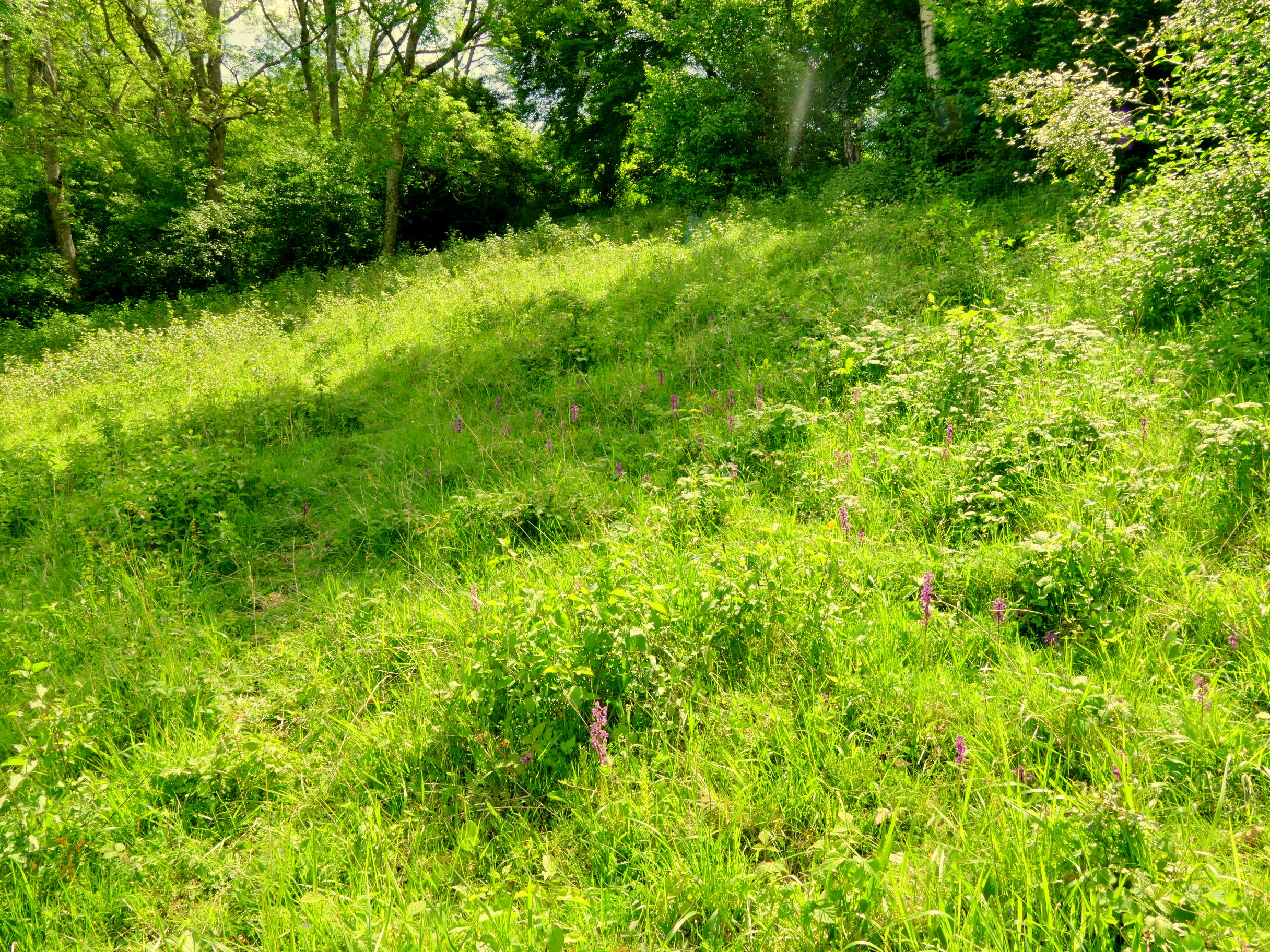
www.wolstonbury.com [F of W] to encourage dozens of pyramidal orchids to thrive.
Emerging orchid rosettes were then subsequently trampled by horses, walkers and vehicles. The ground was compacted. Conservation hero Will, above, pointing out damaged orchid rosettes.
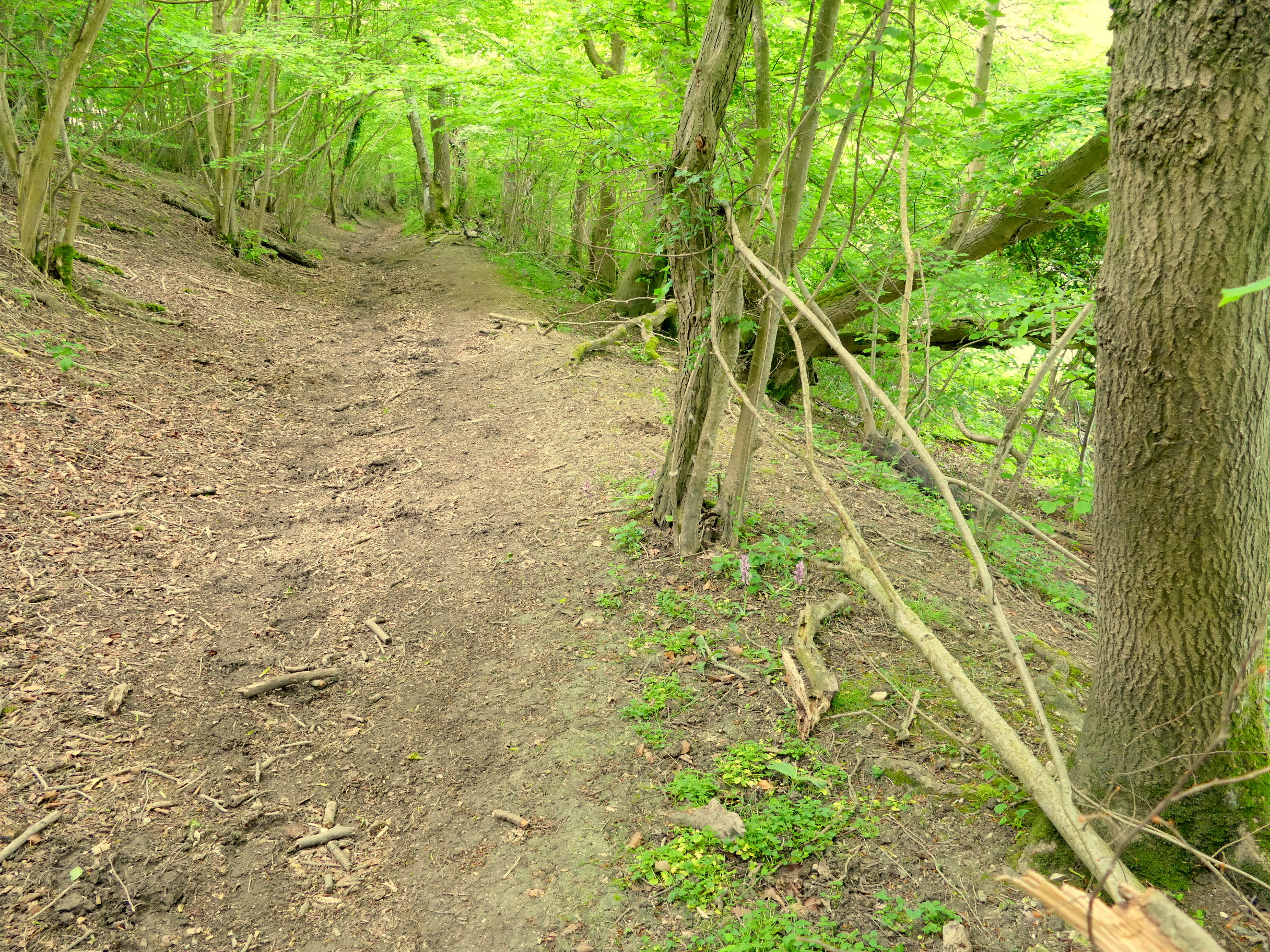
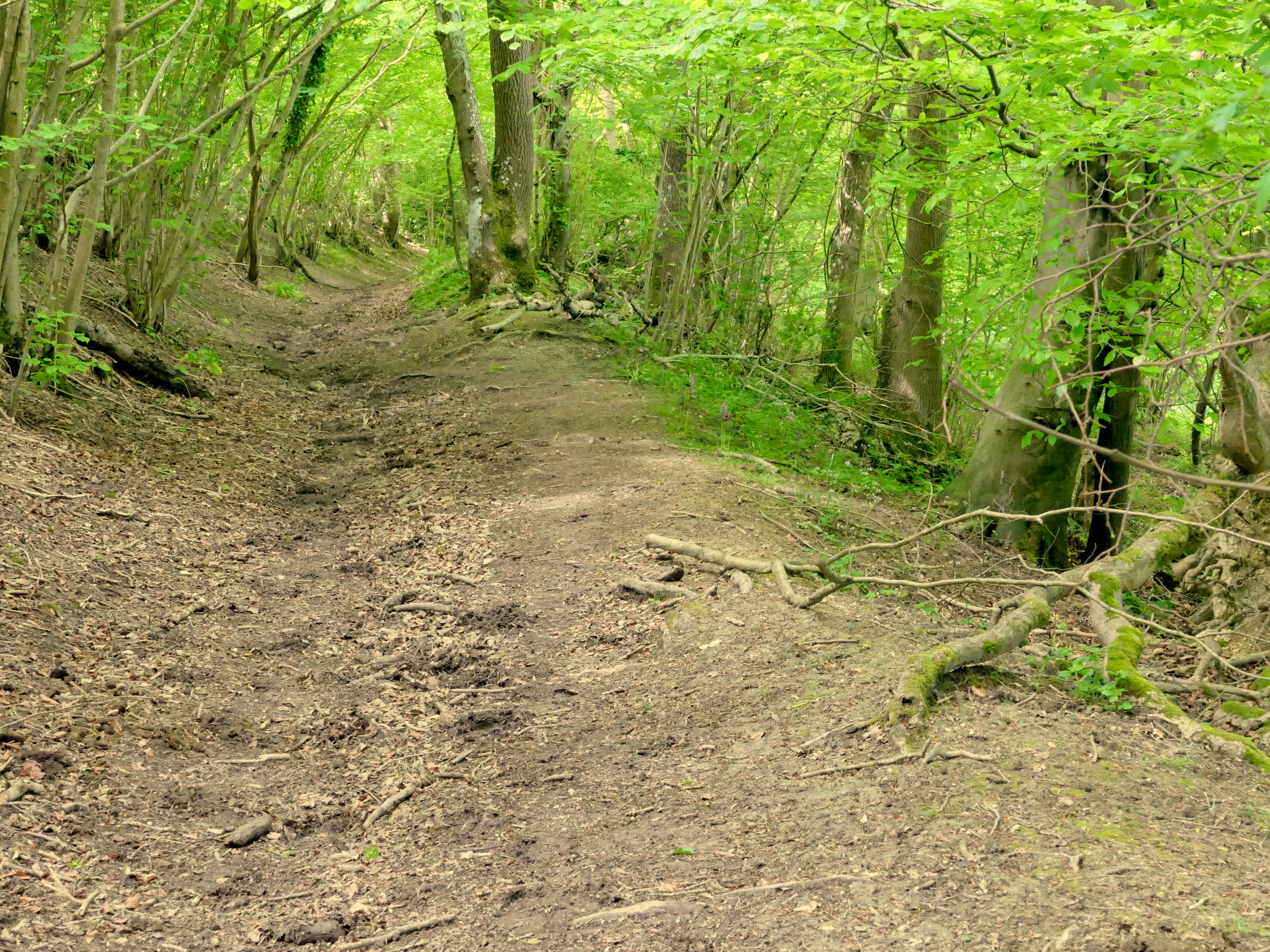
Responsible people keep strictly to paths and bridleways, walk in the mud and allow plants and spring flowers like rare native orchids to thrive.
So hard was the soil that the spikes of a temporary string fence could not be driven into the ground even with hammering with a brick. Click to expand this picture to see orchid rosettes next to the plastic post, which would otherwise have been destroyed by now.
Wall butterfly
F of W erecting a new chestnut fence around the dew pond prior to pond reinstatement after damage to the clay lining and drying out.Small heath butterfly.
Above, a tiny capsid bug, possibly
Calocoris roseomaculatus which feeds on dry grassland flowers.
Scorpion fly female on my car door.
Ramsons gone to seed.
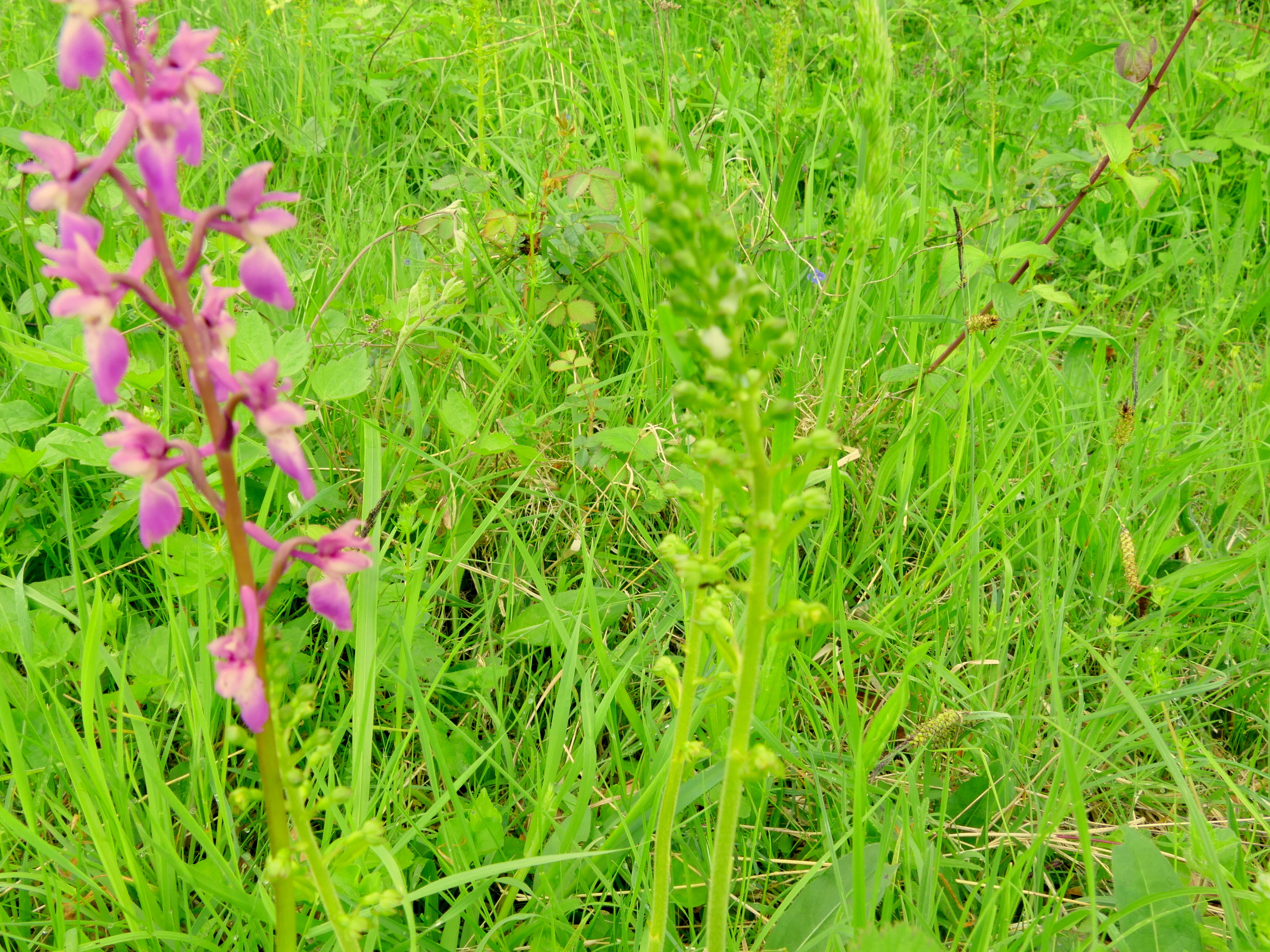
Early purple orchids with Common twayblade orchids
Branches placed in a vain attempt to protect bankside plants.
Early purple orchids: the few to survive.
Total destruction of plants and flowers from walkers and horses on top of the bridleway banks.
A solitary Fly orchid escaped feet and hooves.
Speckled wood butterfly.
Common blue butterfly.
Green hairstreak butterfly near the dew pond.
Fly orchids.
Small blue butterflies.
Brimstone moth.
Common Twayblade orchid.